Step-By-Step Guide: Prepare Your Battle Ground Home for Sale
April 16, 2026
April 16, 2026
If you are getting ready to sell in Battle Ground, you do not need a huge remodel to make a strong first impression. In a market where buyers have choices, the homes that feel clean, cared for, and easy to understand tend to stand out faster. The good news is that listing prep can be simple when you follow the right order. Here is a step-by-step plan to help you prepare your Battle Ground home with less stress and more clarity. Let’s dive in.
In ZIP code 98604, Realtor.com’s local market snapshot shows about 313 homes for sale, a median listing price of $578,947, median days on market of 40, and a sale-to-list ratio of 100%. Realtor.com classifies Battle Ground as a balanced market.
What does that mean for you as a seller? Buyers often have enough options to compare condition, presentation, and value across similar homes. That does not mean your home will sit if it is not perfect, but it does mean thoughtful prep can help your listing make a better impression online and in person.
Start with a full walkthrough of your home before you do anything else. The goal is to separate must-address issues from nice-to-have cosmetic updates so you can make smart decisions with your time and budget.
According to the National Association of REALTORS® consumer guide on marketing your home, your agent should help you build a strategy for preparing and marketing the property. That can include advice on staging, photography, pricing, signage, social media, and showings.
This first walkthrough is also a good reminder that not every project is required. The same NAR guide notes that cosmetic updates are optional, which is helpful if you are trying to protect your equity and avoid overspending before you list.
Decluttering is one of the highest-impact listing prep steps because it changes how your home feels without requiring a major investment. Buyers are trying to picture the space, and too much furniture or visual noise can make rooms feel smaller and harder to read.
NAR’s 2025 staging report found that 91% of sellers’ agents recommend decluttering and 88% recommend cleaning the entire home. Even when a home is not fully staged, many agents still recommend decluttering and correcting visible property faults.
Focus first on the areas buyers notice most during a showing. Kitchen counters, entry areas, bathroom surfaces, and main living spaces should feel open, simple, and easy to move through.
Once clutter is reduced, cleaning becomes much more effective. A true deep clean helps your home photograph better, show better, and gives you a chance to notice issues that were easy to miss before.
NAR’s consumer guide says cleaning and decluttering windows, carpets, lighting fixtures, and walls can make a big difference in how buyers respond. This is especially important before professional photos, because the camera tends to highlight dust, streaks, and wear.
For many Battle Ground sellers, this is also the right time to surface paperwork or system questions early. Washington’s seller disclosure law requires a completed seller disclosure statement for improved residential property unless an exception applies, and it is based on your actual knowledge.
If your property has a well, septic system, irrigation setup, easement, access issue, or other site-specific feature, this is a smart stage to identify what information you may need. Getting ahead of those details can make the process feel smoother later.
You usually do not need a full renovation to improve marketability. In many cases, the best return on effort comes from the smaller items buyers notice right away.
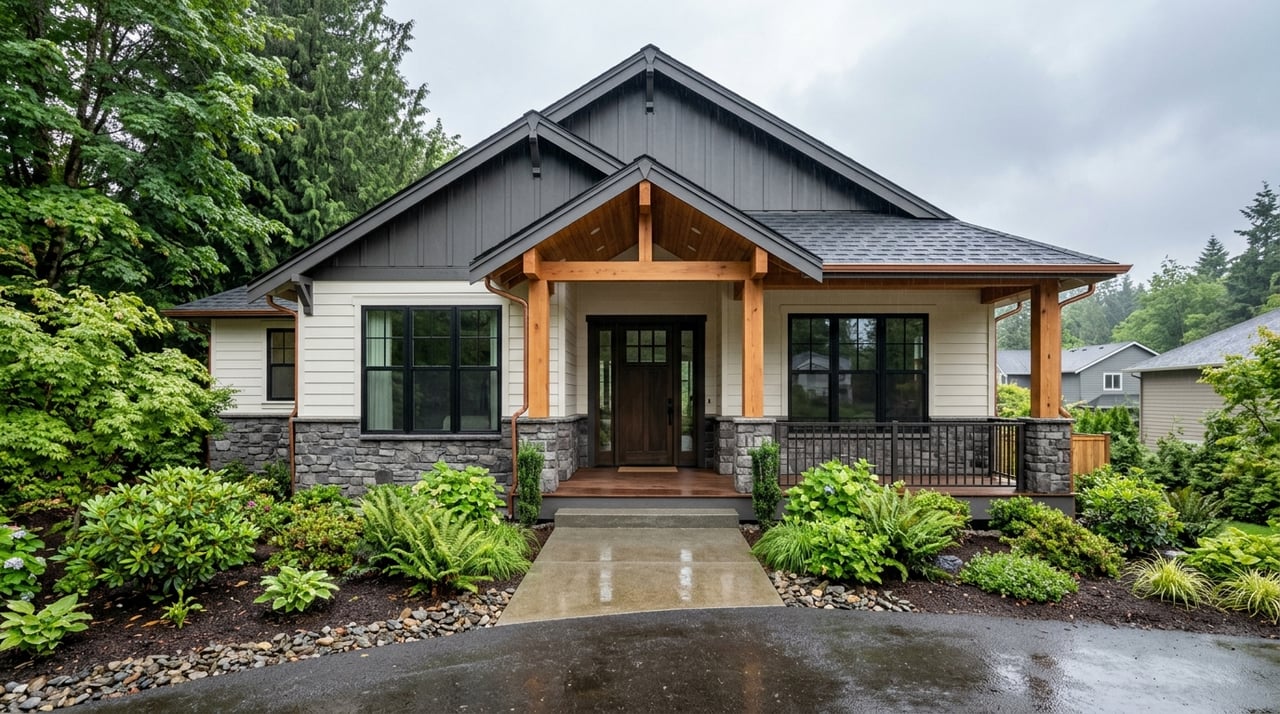
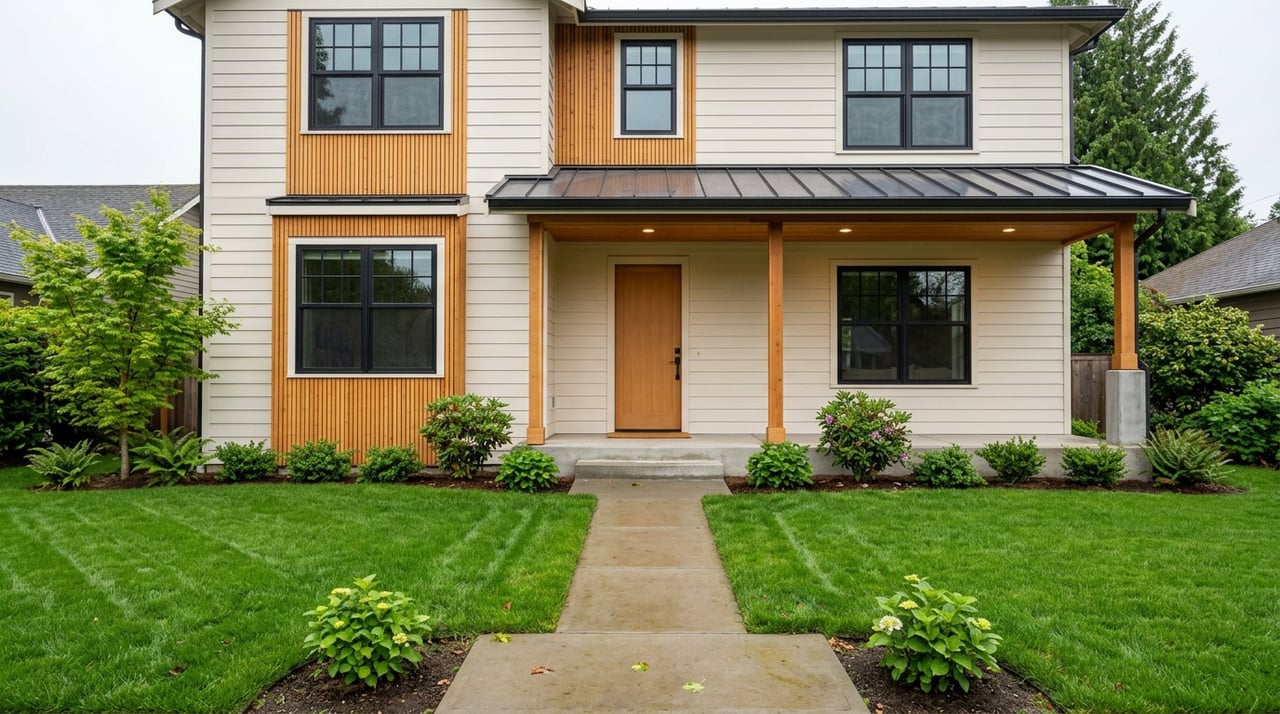
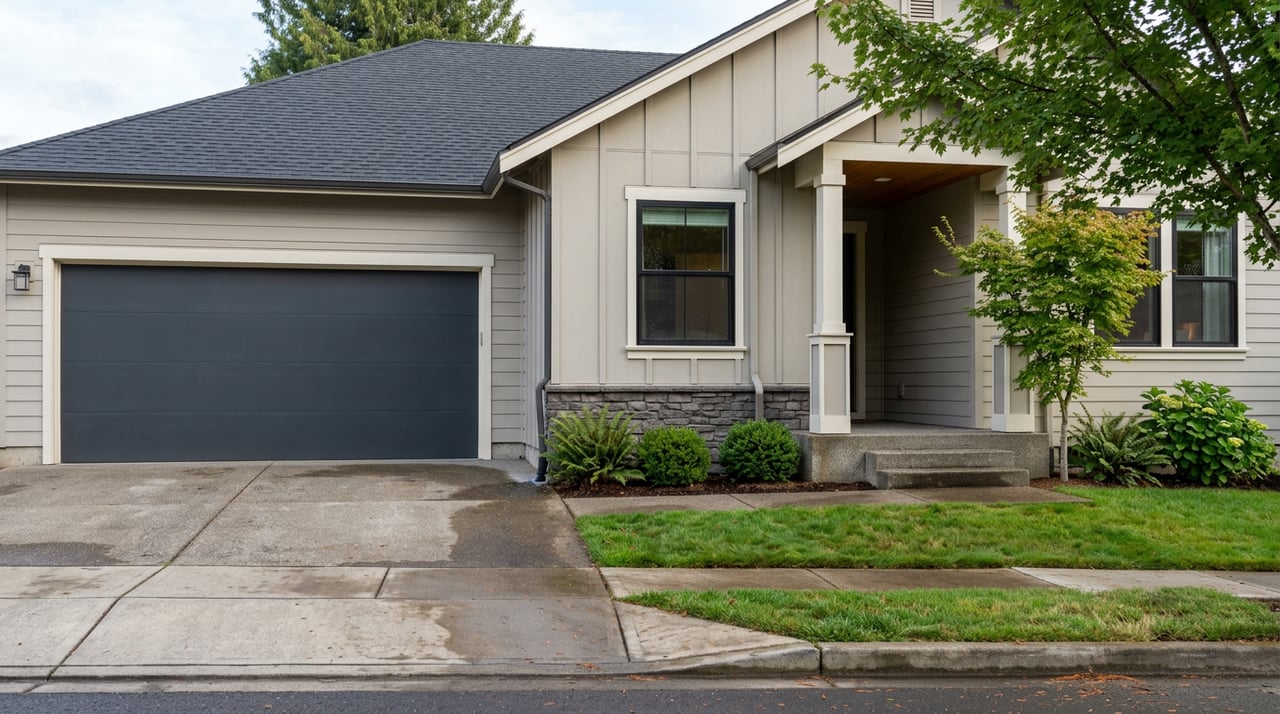
NAR reports that 77% of sellers’ agents recommend improving curb appeal, and its consumer guide notes that landscaping and paint can improve a home’s first impression from the street. This is where touch-up paint, tidy landscaping, fresh mulch, clean porches, and basic hardware repairs can go a long way.
Inside the house, think simple and visible. Replace dead bulbs, tighten loose handles, patch scuffs, and address anything that makes the home feel neglected instead of maintained.
You do not have to stage every room at the same level. A focused approach often makes more sense, especially if you want to be budget-conscious.
According to NAR, the living room, primary bedroom, and kitchen are the most important rooms to stage for buyers. NAR also found that 83% of buyers’ agents said staging made it easier for buyers to visualize a home as their future home.
That matters because buyers often decide quickly how a home feels. If your main living spaces feel light, open, and functional, the entire property can come across as more inviting.
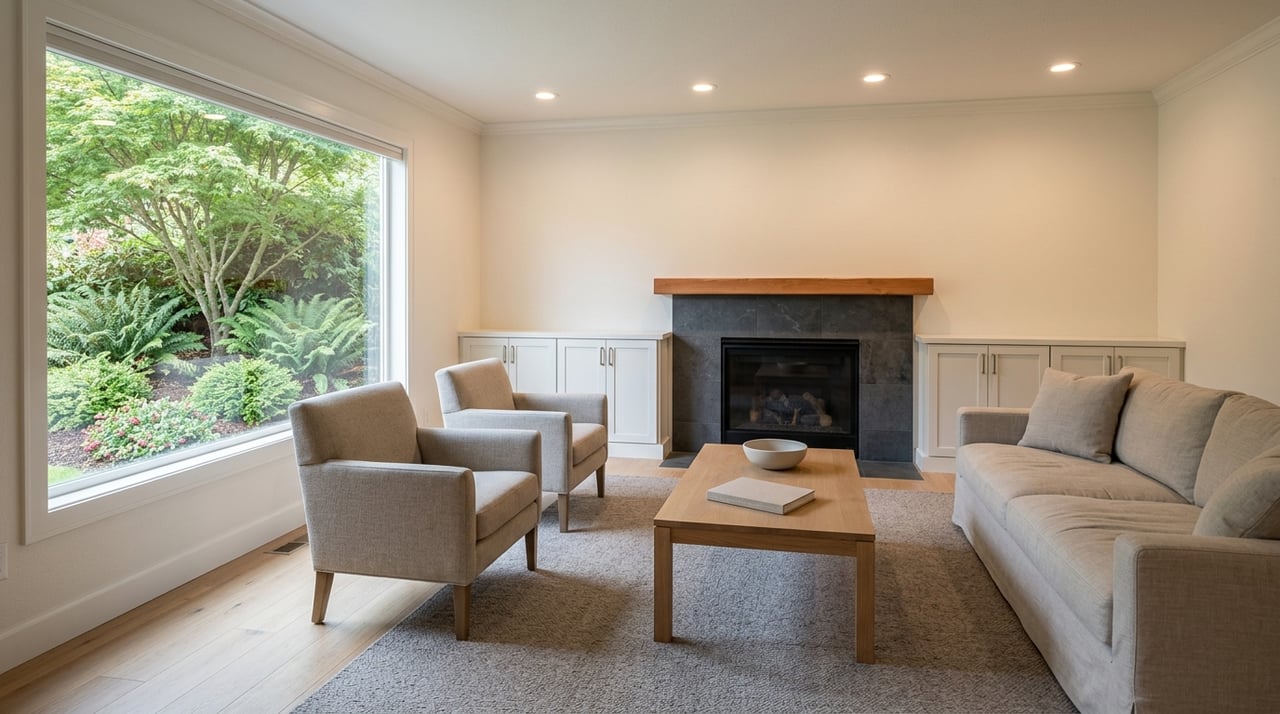
Keep seating arranged for conversation and open walking paths. Remove oversized pieces if the room feels tight, and simplify shelves and surfaces.
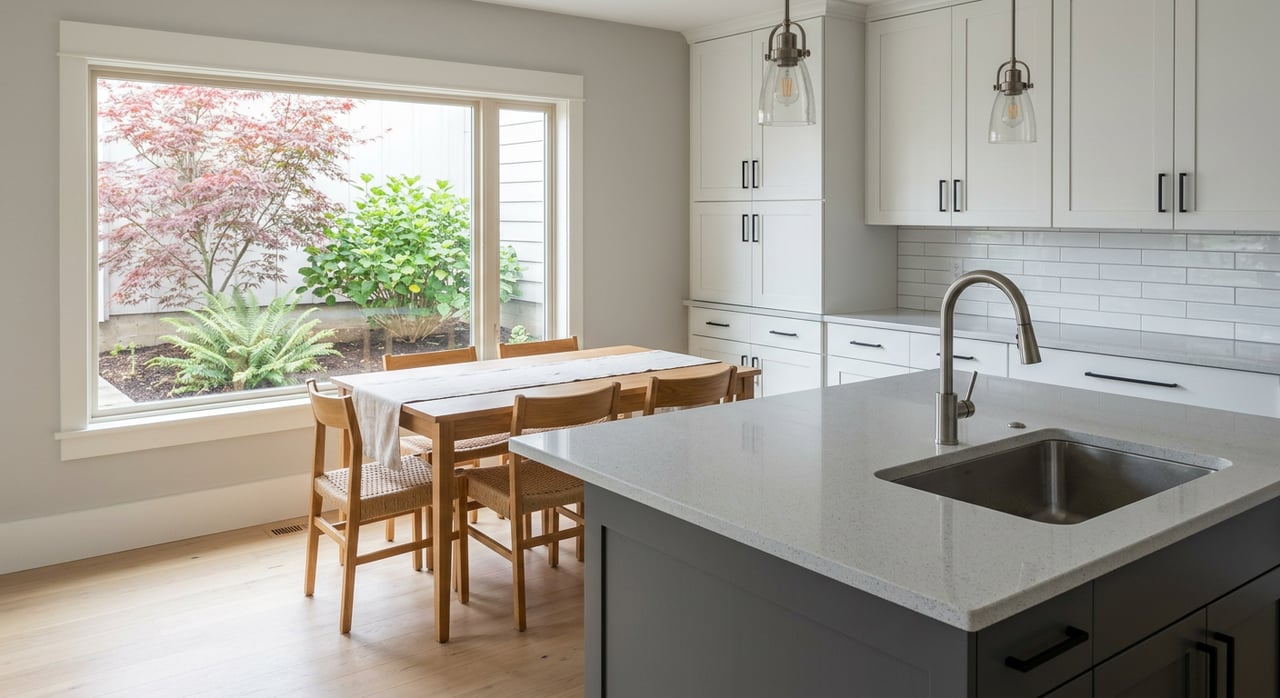
Clear counters, hide daily-use items, and keep only a few clean accents. Buyers want to read the workspace and storage, not your routine.
Aim for calm and simple. Neutral bedding, clear nightstands, and less furniture can make the room feel larger and more restful.
Photos are often your buyer’s first showing, so timing matters. The best listing photos happen after decluttering, cleaning, repairs, and staging are complete.
Zillow reports that 94% of buyers searched for homes online in 2024. NAR also notes in its marketing guidance that photos are highly important in how homes are presented to buyers.
If your home is photo-ready before it goes live, you give buyers a clearer and more polished first look. Zillow also reports that 70% of buyers said a 3D tour would help them understand the space better, so virtual tools may also add value when available.
The strongest prep plan is not always the most expensive one. Based on current seller guidance from NAR and Zillow, the projects that usually offer the best return on effort are decluttering, deep cleaning, curb appeal, focused staging, and professional photography.
NAR reports that if staging is outsourced, the median spend is about $1,500 for a staging service, compared with $500 when the seller’s agent personally staged the home. NAR also found that some agents saw staging improve offered value and reduce time on market, but those outcomes should never be treated as guarantees.
For most Battle Ground sellers, the smartest approach is to prioritize what buyers will notice in the first online photo, the first drive-by, and the first few minutes inside the home.
Prep is not only about appearance. It is also about being ready for the transaction itself.
Under Washington law, the completed seller disclosure statement must be delivered no later than five business days after mutual acceptance of a written purchase and sale agreement, unless an exemption applies. The buyer then has three business days to accept or rescind.
That timeline is one more reason to uncover known issues and organize information early. If your home has rural or property-specific features that need explanation, addressing them before the listing goes live can reduce last-minute stress.
If you want to keep the process manageable, follow this sequence:
This order follows the same practical flow supported by NAR’s marketing guidance and Washington’s disclosure framework. It also helps you avoid paying for photos too early or scrambling to fix visible issues after your listing is already live.
If you are selling in Battle Ground, you deserve a plan that protects your equity and keeps the process organized. That is where hands-on guidance matters. With Sarah Roth, you get local support with listing prep, vendor coordination, and marketing strategy, plus a 1% selling option designed to help you keep more of your proceeds. If you want a clear, low-stress plan for your next move, schedule a free consultation.
Stay up to date on the latest real estate trends.

I am committed to guiding you every step of the way—whether you're buying a home, selling a property, or securing a mortgage. Whatever your needs, I've got you covered.