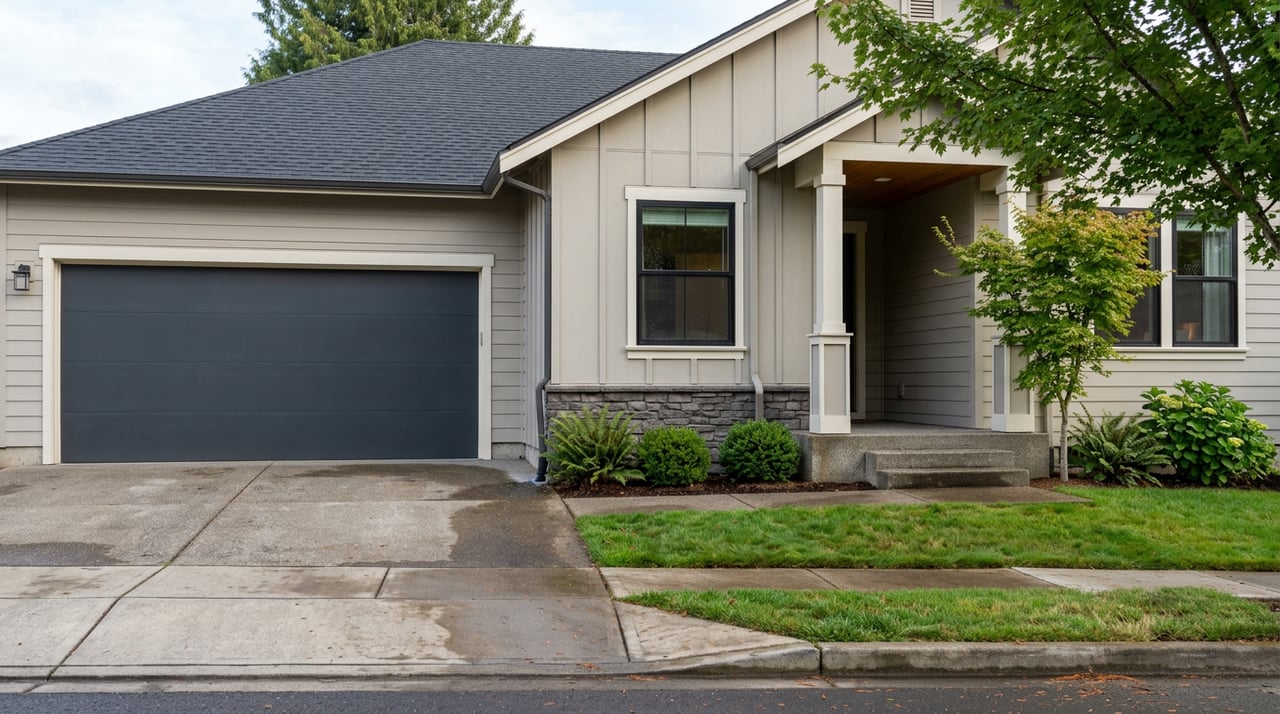
Buying your first home in Hazel Dell can feel exciting and overwhelming at the same time. You want a clear plan, real local insight, and someone in your corner so you don’t miss a key step. In this guide, you’ll get a simple, five‑step roadmap tailored to 98665, plus practical checklists, financing options, and what to expect with Washington closings. Let’s dive in.
Hazel Dell market at a glance
As of March 2026, Clark County reports point to a market that has moved closer to balance, with more inventory than the heated 2020–2022 period. You can review the latest county context in the Clark County Association of Realtors’ December 2025 Market Action Report for trends on inventory and pricing direction. Check the most recent update before you write an offer because conditions change month to month. Read the county report here: December 2025 Market Action Report.
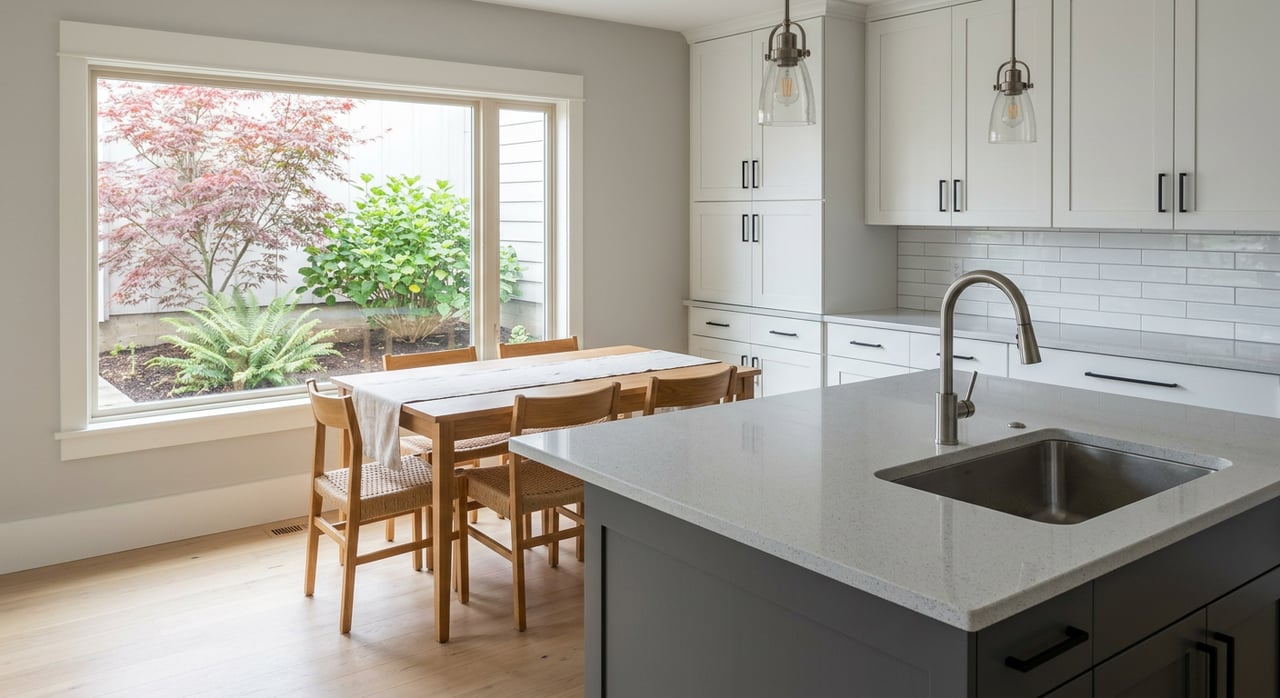
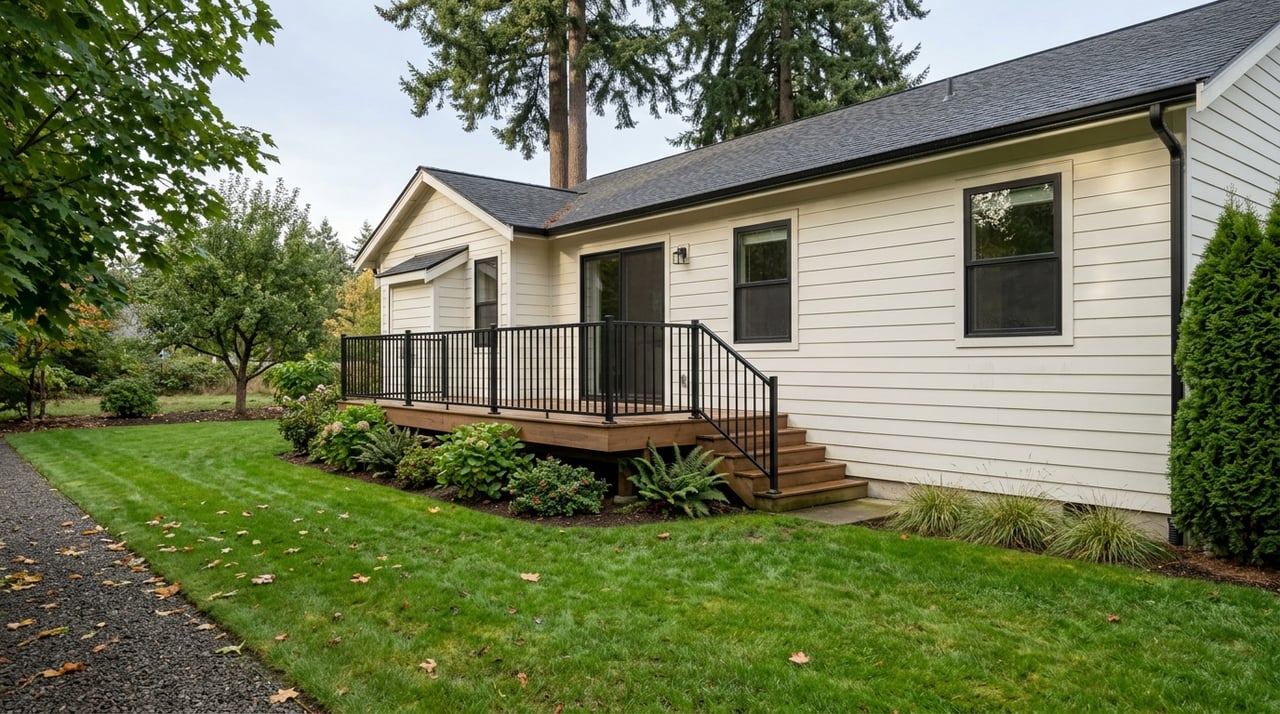
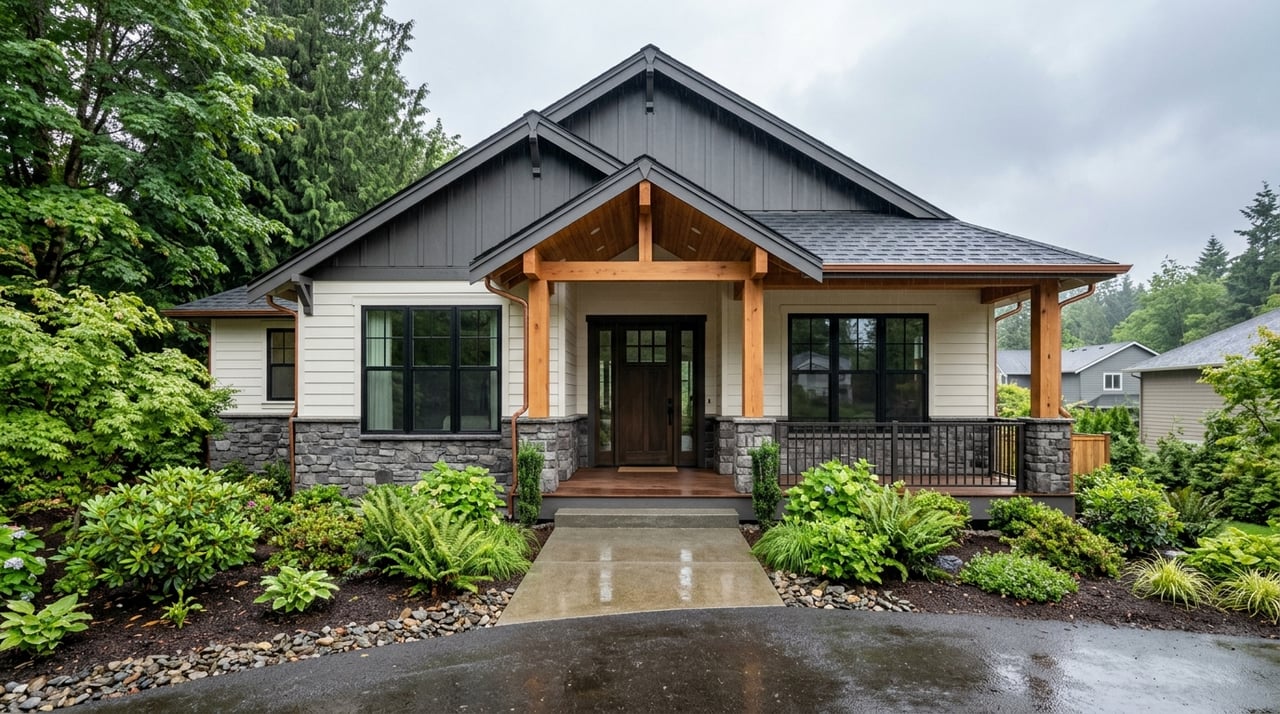
What this means for you in Hazel Dell: first‑time buyers often shop below the neighborhood median, focusing on older ranch or split‑level homes, smaller newer subdivisions, townhomes or condos, and some manufactured options. In 98665, realistic entry points commonly sit from the high $300Ks to the low $500Ks depending on condition and location. Expect price and days‑on‑market to vary between Northeast and West Hazel Dell micro‑areas.
Step 1: Prepare and get pre‑approved
Getting pre‑approved early locks in a credible price range and signals to sellers that you’re serious. It also reduces stress when the right home hits the market.
Pre‑approval document checklist
Gather these basics up front. Your lender may ask for more depending on your situation.
- Government ID
- Two most recent pay stubs
- Last two years of W‑2s and/or full tax returns
- Two to three months of bank statements
- A list of debts and assets
- Statements showing any recent large debt paydowns
- Proof of gift funds, if applicable
Quick budget worksheet
Use this to estimate monthly comfort and cash to close.
- Monthly net income: ____
- Current monthly debts (auto, student loans, credit cards): ____
- Estimated PITI + HOA for target price (principal, interest, taxes, insurance, HOA): ____
- Safety cushion goal after closing (3–6 months of PITI): ____
- Upfront costs to plan for: inspections, appraisal, moving, immediate maintenance, modest furnishings: ____
Tip: Many first‑time buyers in older Hazel Dell homes set aside 5–10% of the home’s value over the first few years for deferred maintenance.
If using down payment assistance
If you plan to use Washington State Housing Finance Commission programs, complete homebuyer education now. Many programs require it, and it will help you compare loans with confidence. Review program overviews at HereToHome and see the WSHFC DPA matrix here: WSHFC DPA Reference Matrix.
Step 2: Search and tour in Hazel Dell
Tour with a clear checklist and pay attention to location factors that affect daily life, resale, and maintenance.
12‑point home touring checklist
- Roof age and signs of leaks
- HVAC age and service history
- Water heater age and condition
- Visible foundation or settling cracks
- Drainage and slope away from the home
- Signs of moisture or mold
- Insulation and attic ventilation
- Electrical panel capacity and condition
- Plumbing type and visible leaks
- Garage structure and door condition
- Window age and seal failure
- Yard grading, fences, easements, and outbuildings
Neighborhood and lifestyle checks
- Access to shopping along NE Hazel Dell Ave and Highway 99, including centers like Hazel Dell Marketplace for everyday errands. See a local overview of this retail hub here: Hazel Dell Marketplace.
- Transit options via C‑Tran and the 99th Street Transit Center if you commute by bus. Explore routes and schedules at C‑Tran.
- Traffic patterns and sound near I‑5 and Highway 99 at peak times.
- Proximity to parks, including Hazel Dell Community Park and connections to Burnt Bridge Creek Greenway.
- School assignments vary by address. If schools matter to your decision, use district boundary tools to verify the assigned schools for each specific property.
Step 3: Write a smart offer
A strong offer balances price, terms, and protection. Your strategy can shift with seasonality and how competitive a specific micro‑area is.
- Earnest money: Many buyers put down 1–3% of the purchase price as a good‑faith deposit. Expectations can vary by price point and current competition.
- Contingencies to keep: Inspection, financing, appraisal, and clear title are standard. First‑time buyers usually keep these protections unless there is a very strong reason to adjust.
- If competition heats up: Some buyers raise earnest money or shorten timelines. Be cautious about waiving inspection or appraisal. Understand the tradeoffs clearly before you proceed.
Step 4: Inspections, appraisal, and title
Protect your purchase with thorough inspections and stay in sync with your lender.
6‑point inspection plan
- Hire a licensed general home inspector.
- Add specialists if flagged: roofer, electrician, plumber, HVAC, structural, or pest.
- Request written cost estimates for any significant repairs.
- Re‑inspect if major repairs are completed before closing.
- Keep inspection deadlines tight to preserve negotiation leverage.
- Coordinate with your lender on how any repair credits or addendums affect the loan.
Appraisal: Your lender orders the appraisal to confirm value. If the appraisal comes in low, your options include renegotiating the price, increasing cash to close, or exploring appraisal reconsideration with your lender.
Title and escrow in Washington: Closings typically occur with a title and escrow company. Your lender requires a lender’s title policy; an owner’s policy is optional but commonly purchased for added protection. Who pays which title and escrow fees can vary and is negotiable.
Step 5: Close and move in
Most financed purchases close in about 30–45 days from mutual acceptance. Timelines can be faster or slower depending on your lender, appraisal scheduling, and any negotiated repairs.
Budget 2–4% of the purchase price for buyer closing costs. These usually include lender fees, appraisal, lender title policy, escrow fees, recording fees, and prepaids for taxes and insurance. You can sometimes negotiate for seller credits to offset these costs or finance some costs into your loan, depending on program rules.
Closing‑day checklist
- Bring a valid government ID
- Confirm final funds to close and wire instructions with escrow by phone using a known number
- Do a final walk‑through to verify condition and agreed repairs
- Set utility transfer start dates
- Prepare a change‑of‑address plan for postal, banks, subscriptions, and employer
Who pays what at closing in Washington
- Washington charges a Real Estate Excise Tax on property sales that is generally paid by the seller. The buyer could be assigned it by contract in rare cases. Learn more at the WA Department of Revenue: Real Estate Excise Tax overview.
- Clark County and local cities add a local REET portion on top of the state rate. For current local rates and effective dates, check the DOR table: Local REET rate table.
Financing and assistance options
There is no one‑size‑fits‑all loan. Compare programs side by side with your lender.
- Conventional conforming: Often for 620+ credit scores. Down payments can start around 3% for first‑time buyers and go up to 20% or more.
- FHA: Allows lower credit scores with 3.5% down. Comes with upfront and monthly mortgage insurance.
- VA: Zero‑down for eligible veterans and service members.
- USDA: Zero‑down for eligible rural properties. Hazel Dell is suburban, so many properties may not qualify. Verify with your lender.
- WSHFC first‑mortgage options: Home Advantage and House Key Opportunity can be paired with down payment assistance second loans. These programs have income and price limits and usually require homebuyer education. Start here: HereToHome first‑mortgage programs and review the WSHFC DPA Reference Matrix.
Local resources: The City of Vancouver publishes housing resources and nonprofit partner links that can point you to counseling and homeownership support. Explore options at the City of Vancouver housing resources page.
Hazel Dell tips for first‑time buyers
- Plan for maintenance in older homes. Mid‑century ranches and split‑levels are common entry choices. These can be great values, but mechanicals like roof, electrical, and HVAC may be nearing replacement age. Build a conservative reserve so you can handle surprises.
- Check site and environmental factors. Review drainage, soil slope, potential flood risk, and any nearby commercial activity along Highway 99 that could affect daily noise and traffic.
- Commute and transit. If you rely on transit, map your route to the 99th Street Transit Center and confirm C‑Tran schedules. If you drive, test peak‑hour commute times to Vancouver or Portland so you know what to expect at the I‑5 crossings. Plan your tours at different times of day to get the full picture.
Quick glossary
- Pre‑approval vs. pre‑qualification: Pre‑approval verifies income, credit, and assets with documents. Pre‑qualification is a lighter estimate.
- Earnest money deposit: A good‑faith deposit credited toward your purchase at closing.
- Contingency: A condition that must be met for the sale to proceed, such as inspection, financing, or appraisal.
- Appraisal gap: The difference if the appraised value comes in below the contract price.
- Title insurance: A lender’s policy protects the lender; an owner’s policy protects the owner’s interest.
- Escrow: A neutral third party that holds funds and documents and coordinates closing.
- REET: Washington’s Real Estate Excise Tax, generally paid by the seller.
- DPA: Down payment assistance, often a second loan that reduces your upfront cash.
Ready to take the next step?
If you want a calm, step‑by‑step plan tailored to your budget, commute, and must‑haves in 98665, let’s talk. I can connect you with trusted local lenders, map out neighborhoods, and quarterback the process from tour to closing. Reach out to Sarah Roth to schedule a free consultation.
FAQs
How much cash should a first‑time buyer save in Hazel Dell?
- Plan for a down payment between 3.5% and 20% depending on the loan, plus roughly 2–4% of the purchase price for closing costs; eligible buyers can explore WSHFC programs to reduce cash to close via down payment assistance.
Who pays Washington’s Real Estate Excise Tax in Clark County?
- The seller typically pays REET in Washington, with additional local county or city portions added to the state rate; verify current rules and rates with the WA Department of Revenue’s REET overview and the local rate table.
Do I need a homebuyer education class to use down payment assistance?
- Yes for many Washington State Housing Finance Commission programs, and it is helpful even if not required; start with HereToHome’s program page.
How long does a financed home purchase take to close?
- Most transactions close in about 30–45 days from mutual acceptance, depending on lender timelines, appraisal scheduling, and any negotiated repairs.
Can I ask the seller to help with closing costs?
- Often yes, through seller credits that offset your closing costs; the amount and structure depend on your loan program and negotiation, so coordinate closely with your lender and agent.