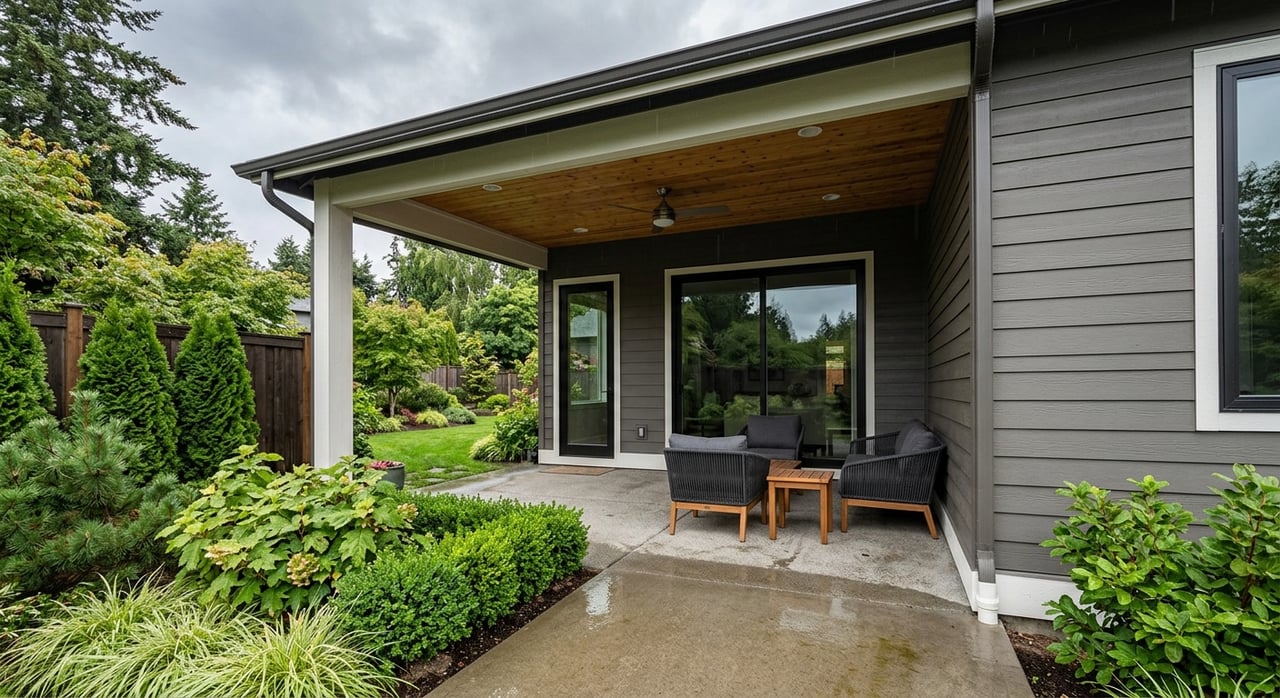
New Construction Or Resale? Choosing The Right Ridgefield Home
May 7, 2026
May 7, 2026
Wondering whether a brand-new home or a resale home makes more sense in Ridgefield? You are not alone. With Ridgefield growing quickly and offering both new communities and more established neighborhoods, the right choice often comes down to your timeline, budget, and how much certainty you want before you move. This guide will help you compare the real tradeoffs so you can move forward with more confidence. Let’s dive in.
Ridgefield has been growing fast. City reporting shows the population increased from 6,400 in 2015 to 15,790 in 2024, while housing units rose from 2,248 to 6,060 over that same period.
That growth matters when you are deciding between new construction and resale. In a fast-changing area like Ridgefield, the differences are not just about the house itself. They also include neighborhood maturity, permit timelines, utility setup, and what daily life may look like right away versus a year from now.
Current market data also suggests Ridgefield sits in a fairly active price range. Public market trackers place local pricing roughly in the mid-$600,000s to low-$700,000s, though each source measures things differently.
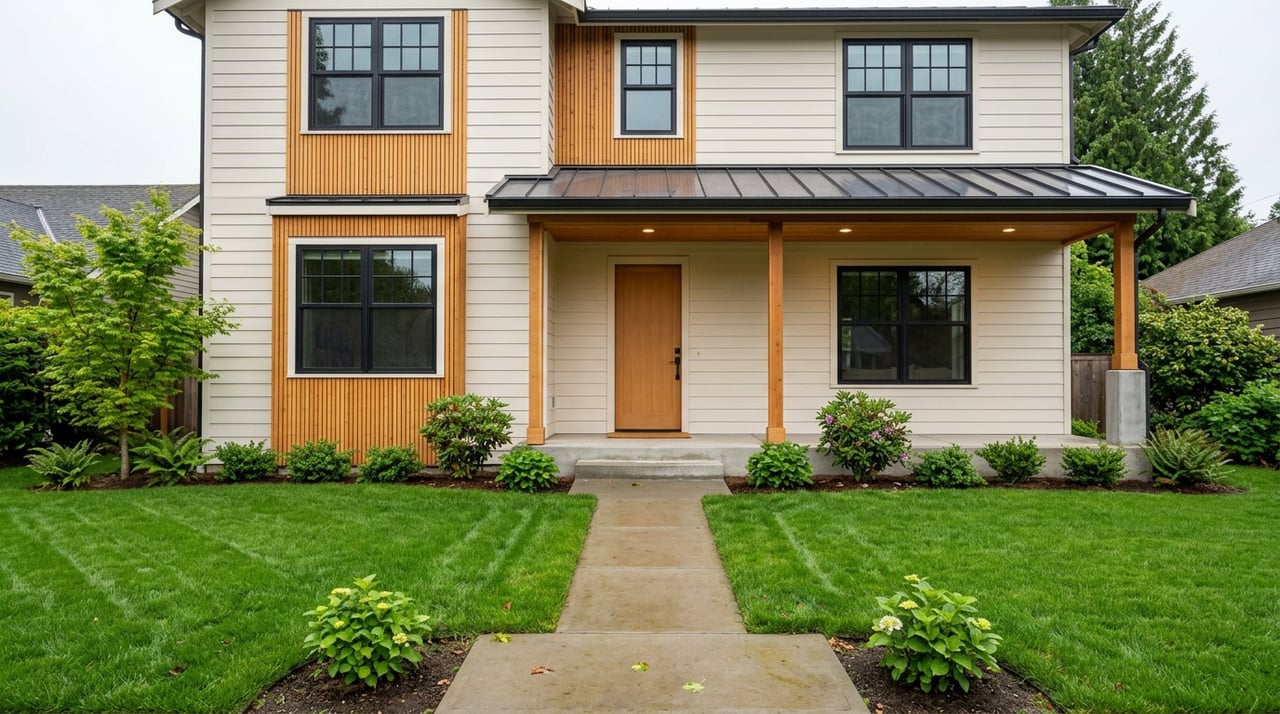
New construction often appeals to buyers who want a fresh start. You may get a modern layout, newer systems, and fewer near-term repair concerns. You may also have the chance to choose finishes or structural options, depending on the builder and stage of construction.
That level of customization can feel like a big win. If you have a clear vision for how you want your home to function, new construction can give you more control upfront than a resale home usually does.
A new-build home may be a strong fit if you want:
In Ridgefield, new construction goes through a city review process that generally involves building permits, code review, and inspections. That can give buyers some peace of mind, but it does not remove the need for careful due diligence.
One of the biggest surprises for buyers is timing. A new home can look close to finished, but there may still be several steps left before closing and occupancy.
In Ridgefield, permit review, inspections, and final approvals all matter. Utility timing can matter too. The city says new water meter service is usually installed within a week, but it can take up to two weeks depending on staff availability.
If you need to move on a tight schedule, this is important. A resale purchase often offers a clearer move-in date than a home that is still being completed.
A brand-new community can be exciting, but it may still be in progress. Ridgefield planning documents show that parks, trails, and related improvements can be phased over time, with funding and maintenance needing to be in place before projects open.
That means your new neighborhood may not feel fully built out on day one. Landscaping, trail connections, nearby retail, or park features may still be coming.
Ridgefield has a voluntary green building program that offers up to a 10 percent rebate on building fees for qualifying homes built to certain green-building standards. There may also be an additional 10 percent rebate for visitability features.
You may not receive that benefit directly as a buyer, but it can still matter when comparing builders or communities. It may influence how a builder prices homes, markets efficiency features, or positions long-term value.
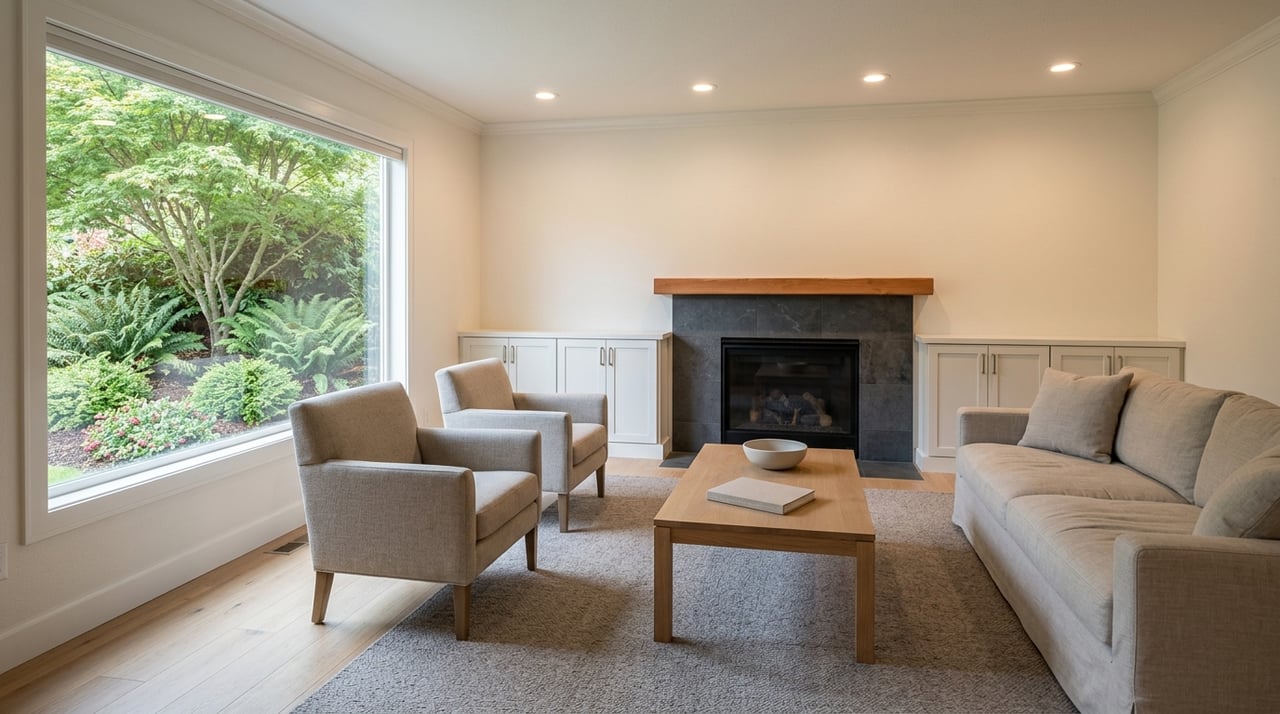
Resale homes usually offer a different kind of confidence. You can often see how the home has lived over time, how the street functions day to day, and what the surrounding area feels like right now.
If your priority is faster occupancy or a more established setting, resale can be very appealing. In Ridgefield, that can be especially important because some newer areas are still actively developing.
A resale home may be a better fit if you want:
For many buyers, this comes down to visibility. With a resale home, you can often evaluate the home and its surroundings in a more complete way before you commit.
The main tradeoff with resale is condition. Even a well-cared-for home can come with wear, aging systems, or past work that needs closer review.
Washington requires a seller disclosure statement for most improved residential property unless an exemption applies. That disclosure addresses issues such as defects, title matters, encroachments, easements, and access concerns, and it also reminds buyers to get professional inspections.
Under Washington law, the disclosure is generally delivered within five business days of mutual acceptance unless otherwise agreed. Buyers generally have three business days to rescind after receiving it.
Some buyers assume resale is automatically the less expensive path. Sometimes that is true at the purchase stage, but not always after repairs, updates, or remodeling are added in.
That matters in Ridgefield because the city generally requires permits for residential alterations and new construction. So if you are buying an older home because you plan to remodel it, make sure you are budgeting for the full picture, not just the initial price.
In Ridgefield, neighborhood maturity is one of the most important differences between new and resale homes. This is often the factor that buyers feel most after move-in.
A new-build neighborhood may offer fresh homes and modern planning, but some amenities or surrounding improvements may still be in progress. An established resale neighborhood is more likely to show you what daily life looks like right now, with landscaping, streetscape, and nearby features already in place.
If you value predictability, pay close attention here. The house is only part of the decision. The neighborhood experience matters just as much.
No matter which direction you lean, the best next step is asking sharper questions early. This can help you avoid surprises and compare homes more clearly.
If you are considering new construction, ask:
These questions are especially useful in Ridgefield because permit steps, occupancy timing, and phased development can affect your move-in experience.
If you are considering resale, ask:
These questions line up closely with the issues Washington highlights in its disclosure process. They can also help you decide whether you need specialist inspections beyond a general home inspection.
If you visit a builder’s model home, it is easy to assume the on-site salesperson is there to help you in the same way your own agent would. In Washington, that is not a safe assumption.
State law says a broker who performs real estate services for a buyer is the buyer’s agent unless the broker’s firm has appointed that broker to represent the seller. It also says limited dual agency requires written consent from both parties, and a written services agreement is required before, or as soon as reasonably practical after, brokerage services begin.
For you, the practical takeaway is simple. If you want help comparing options, negotiating upgrades or credits, reviewing timing risks, or evaluating resale value, it helps to have your own representation in place early.
New construction is often the better fit if you want a modern layout, lower immediate maintenance, and the chance to personalize your home. Resale is often stronger if you want faster occupancy, a more established neighborhood feel, and a clearer sense of how the property and area function today.
In Ridgefield, your decision should go beyond finishes and square footage. Pay close attention to timeline risk, permit and occupancy steps, neighborhood buildout, and the true cost of upgrades or repairs.
The good news is that there is no one-size-fits-all answer. The right choice is the one that fits your timeline, comfort level, and long-term plans.
If you are weighing new construction versus resale in Ridgefield, Sarah Roth can help you compare the real pros, costs, and next steps so you can make a confident move.
Stay up to date on the latest real estate trends.
I am committed to guiding you every step of the way—whether you're buying a home, selling a property, or securing a mortgage. Whatever your needs, I've got you covered.