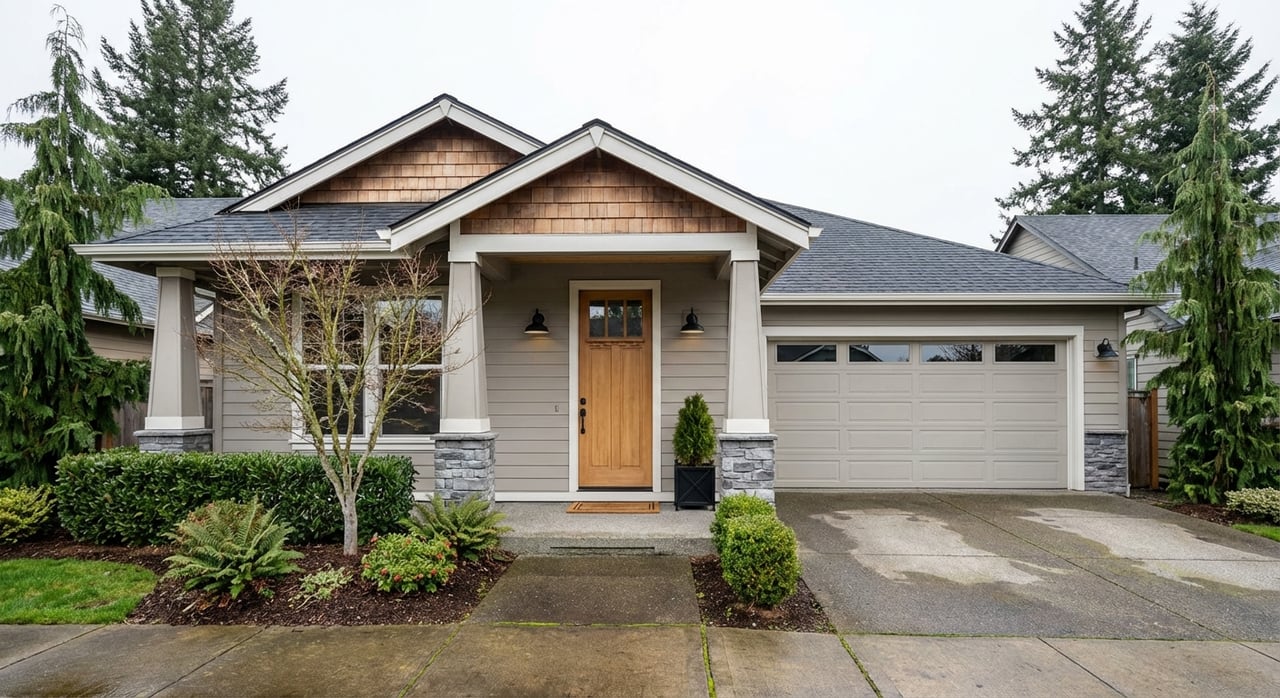
Relocating to Vancouver WA: Your Neighborhood Guide
February 19, 2026
February 19, 2026
Thinking about moving to Vancouver, Washington, but not sure where to start? You’re not alone. Finding the right neighborhood from afar can feel overwhelming when you’re also juggling timelines, budgets, and commute questions. In this guide, you’ll get a practical overview of Vancouver’s key areas, commute realities, schools and hospitals, and step‑by‑step checklists for in‑person and remote buyers. Let’s dive in.
You sit just across the Columbia River from Portland in a city that’s part of the wider Portland–Vancouver economy. Many residents live in Vancouver and work on either side of the river, enjoying access to regional arts, dining, and the growing riverfront scene. If you’re comparing travel times, the city’s mean commute sits around 23.4 minutes, based on U.S. Census data, though your route and peak traffic will matter most for your daily drive. For a lifestyle preview, explore the dining, parks, and events highlighted by Visit Vancouver USA.
Start with your must‑haves, then layer in commute and daily convenience:
Once you have a short list, plan to drive your exact commute at rush hour and visit each area during the times you’d typically be home.
If you want walkability, restaurants, and a lively core, start here. Downtown centers around Esther Short Park and the evolving waterfront, with riverfront paths, dining, and year‑round events. Housing leans toward condos, townhomes, and select historic single‑family pockets. Get a feel for the scene through Visit Vancouver USA and plan an evening stroll along the Waterfront Trail.
You’ll find many newer subdivisions, community parks, and easy access to major retail corridors. These areas offer a strong mix of single‑family homes, with layouts and yards that appeal to a wide range of buyers. Proximity to I‑205 and local arterials helps with regional commutes. Use the city’s neighborhoods list to explore official boundaries and community resources.
These established neighborhoods feature mid‑century homes, varied lot sizes, and quick access to I‑5 and everyday services. Many buyers appreciate the convenient retail hubs and the ability to reach downtown or the waterfront without a long drive. If you like classic homes and central access, add this cluster to your tour. Start with the city’s neighborhoods list to orient by name and location.
Just east of Vancouver, Camas and Washougal feel like small cities with their own downtowns and newer residential pockets. Camas often trends higher on pricing and offers a distinct main street feel, while Washougal provides access toward the Columbia River Gorge. If you are open to trading a bit more commute time for different home options, include these in your search. Use local city resources and a neighborhood drive to compare area character and access.
Average citywide commute time is about 23.4 minutes, according to U.S. Census QuickFacts. That said, your route matters. I‑5 and I‑205 experience different peak‑hour patterns, and cross‑river trips to Portland vary by starting neighborhood. Test your commute both directions at rush hour during your visit.
Transit is a real option for many. C‑TRAN runs local routes, The Vine bus rapid transit lines, and multiple cross‑river express routes with park‑and‑ride options. If you plan to use transit, review schedules and boarding locations ahead of time and try a practice ride during your trip.
Keep an eye on the Interstate Bridge Replacement Program for I‑5. This major, multi‑year effort continues to evolve on cost and timing and may affect traffic patterns, tolling, and construction impacts in the future. For context on recent federal funding and program momentum, read the U.S. DOT’s update on transformational projects here. Revisit program updates as you get closer to your move.
Vancouver Public Schools serves much of the city. Because boundaries and programs can change, verify addresses and any choice or program availability directly with the district. A good starting point is the district’s resources at Vancouver Public Schools.
On healthcare, you have two major medical centers nearby. PeaceHealth Southwest Medical Center and Legacy Salmon Creek Medical Center offer full‑service care and specialty services. Many relocating buyers ask about maternity care, emergency services, and imaging; both hospitals are regional anchors.
For parks and recreation, the area includes heritage sites and plenty of green space. Explore the history and open grounds at the Fort Vancouver National Historic Site, spend time at Esther Short Park, and walk or bike the Waterfront Trail. For seasonal events and festivals, check the listings at Visit Vancouver USA.
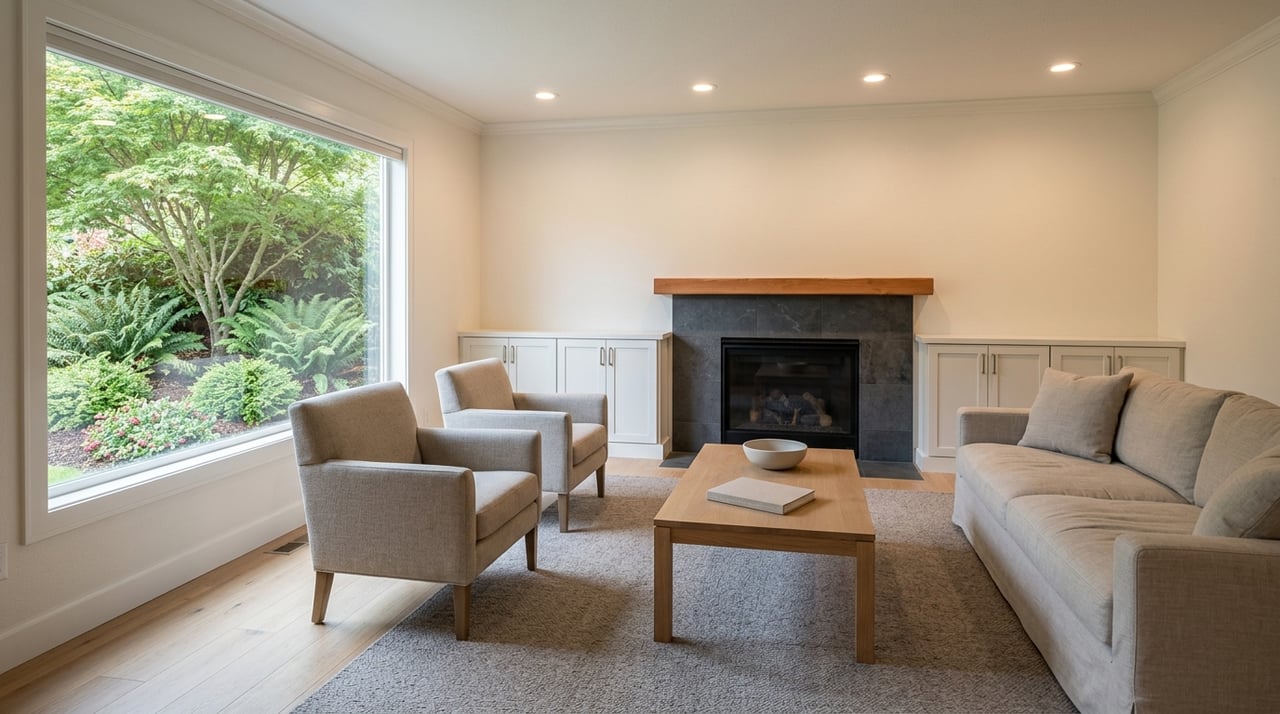
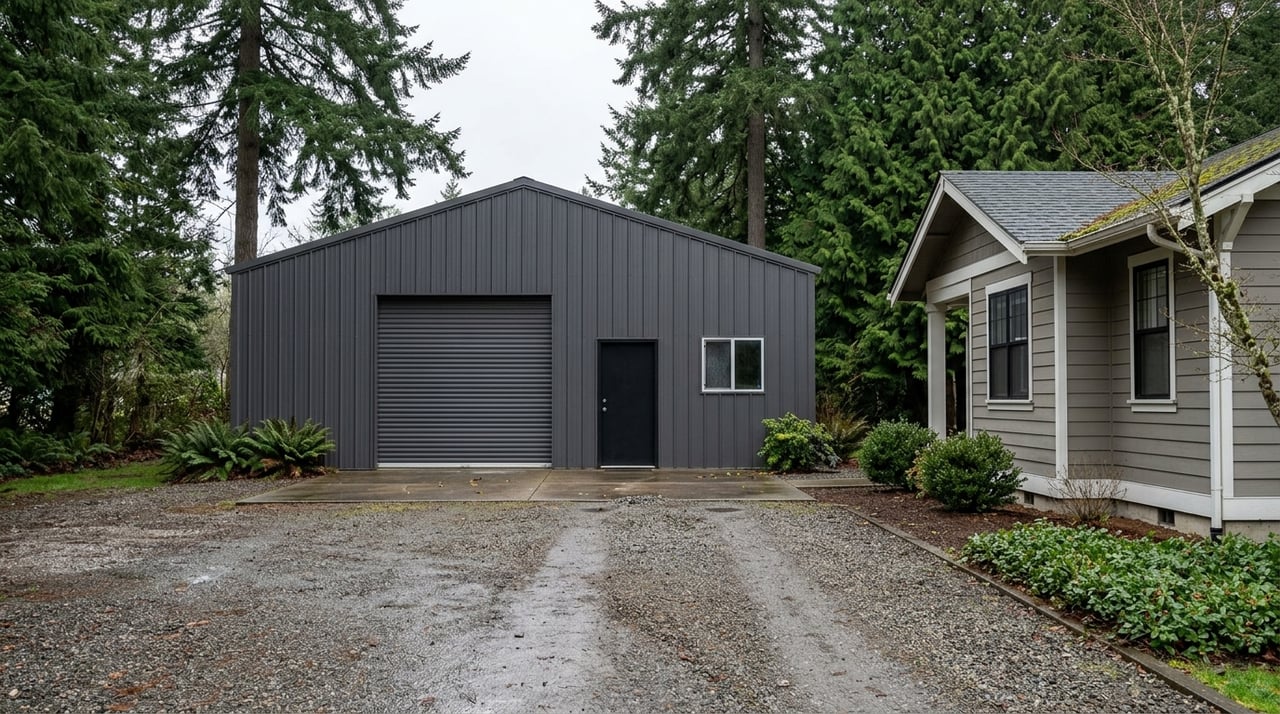
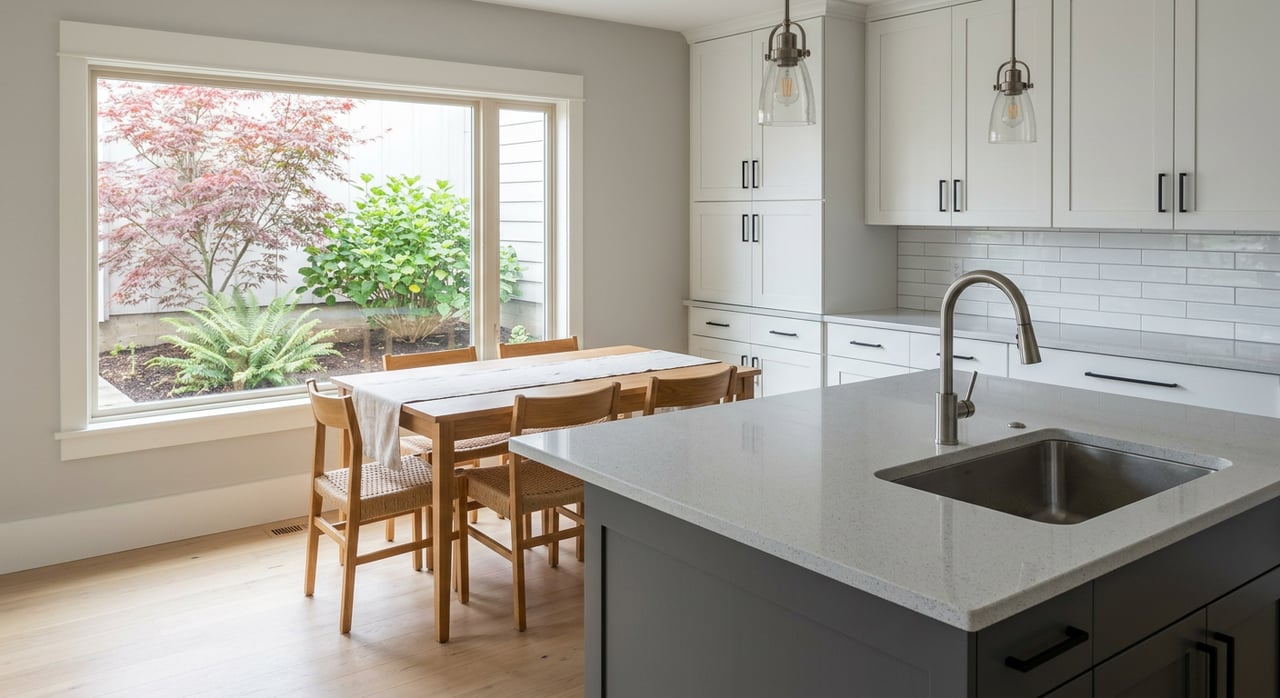
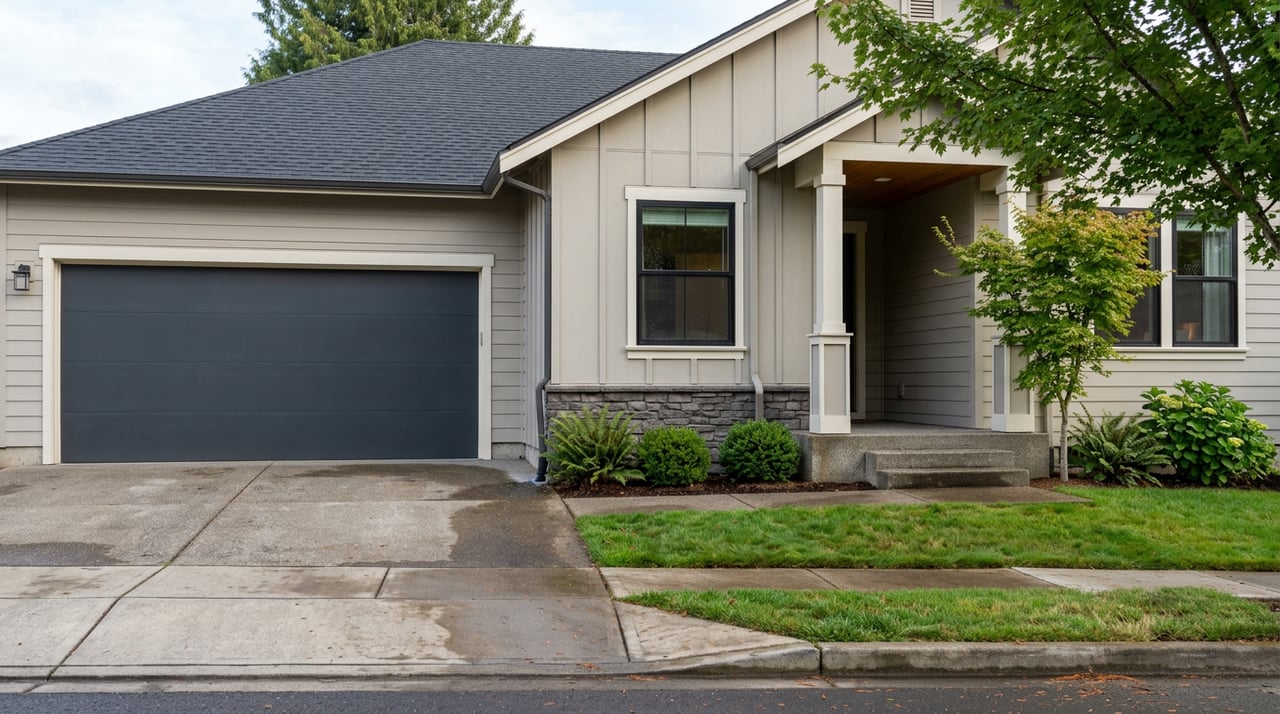
Across the city you’ll see a wide mix of housing types. Detached single‑family homes are common in most neighborhoods, while condos and townhomes are more prevalent downtown and along the waterfront. East and north Vancouver feature many newer subdivisions with modern layouts. City resources confirm a mix of owners and renters across the area, which supports a range of housing options at different price points. To understand current pricing, ask your agent for live, neighborhood‑level data before you set your short list.
Use this outline to make the most of a scouting trip:
If you need to make decisions from out of state, plan for clarity and documentation.
Washington allows Remote Online Notarization, which can make long‑distance closings possible. Always confirm your title company and lender support RON before scheduling. For state guidance and what to expect, review the Washington RON overview.
Relocating is a big move, and local guidance can save you time and stress. If you want a practical plan for neighborhoods, commute testing, schools, and a step‑by‑step path whether you are in person or remote, let’s connect. Schedule a quick call with Sarah Roth to map your shortlist and next steps.
Stay up to date on the latest real estate trends.
I am committed to guiding you every step of the way—whether you're buying a home, selling a property, or securing a mortgage. Whatever your needs, I've got you covered.